Collections
Free Philosophy Audiobooks – Stoicism, Plato, Confucius and Nietzsche
These are free, complete recordings of philosophy classics that are in the public domain: the Stoics, Plato, Chinese and Japanese thought, Renaissance politics, Nietzsche and Thoreau.
Philosophy is easier to take in by ear than most people expect. Many of these works began as spoken teaching, letters or dialogues, and short books like the Enchiridion or the Apology fit into a single walk. If you're interested in Stoicism, start with Epictetus's Enchiridion, then Marcus Aurelius's Meditations. They work well together.
 1. Meditations
Private notes a Roman emperor wrote to himself about duty, death and staying calm. The most popular Stoic book today.
 2. The Enchiridion
The short 'handbook' of Epictetus's teaching: focus on what you control and let go of the rest. About an hour.
 3. Discourses of Epictetus
The longer record of Epictetus's lectures, written down by his student Arrian. Direct, practical and often funny.
 4. Stoicism
A short early-20th-century introduction to Stoic logic, physics and ethics. Useful background before the primary texts.
 5. The Apology of Socrates (version 3)
Socrates' defence speech at his trial in Athens in 399 BC. The best first Plato.
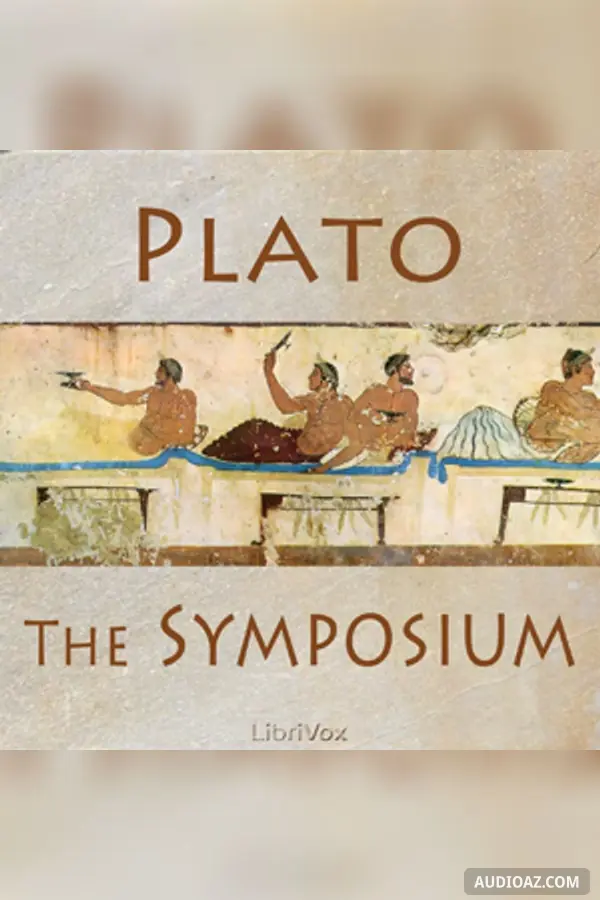 6. The Symposium
A dinner party where the guests take turns giving speeches in praise of love.
 7. Republic
Plato's dialogue on justice and the ideal city, including the allegory of the cave.
 8. On the Nature of Things (Leonard translation)
A Roman poem explaining the world as atoms and empty space, written to free readers from the fear of death.
 9. The Analects of Confucius
Short sayings and conversations of Confucius on learning, family, ritual and good government.
 10. The Art of War
Thirteen brief chapters on strategy, read today as much for business and life as for war.
 11. The Prince
Machiavelli's blunt advice on how rulers gain and keep power. Short and still provocative.
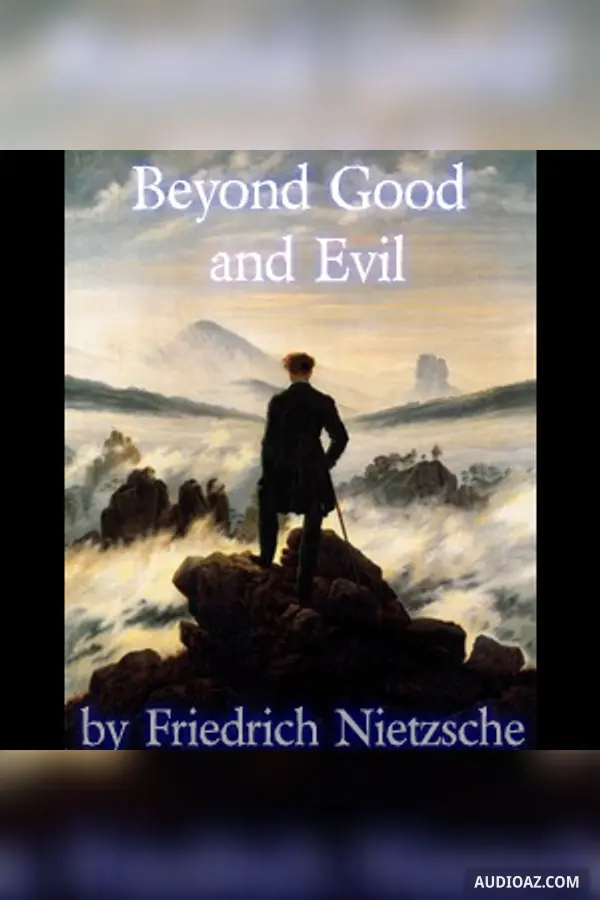 12. Beyond Good and Evil
Nietzsche's 1886 attack on the assumptions behind traditional morality and philosophy, in short sections.
 13. Thus Spake Zarathustra: A Book for All and None (version 2) (includes annotations)
Nietzsche's poetic, prophetic book, told through the speeches of the wanderer Zarathustra. This recording includes annotations.
 14. Walden
Thoreau's account of two years in a cabin by Walden Pond, and what he thought we actually need to live.
 15. The Book of Tea (Version 2)
A short 1906 essay that uses the tea ceremony to explain Japanese ideas of simplicity and beauty to Western readers.
 16. Bushido: The Soul of Japan
A 1900 book, written in English, describing the code of the samurai and its place in Japanese culture.
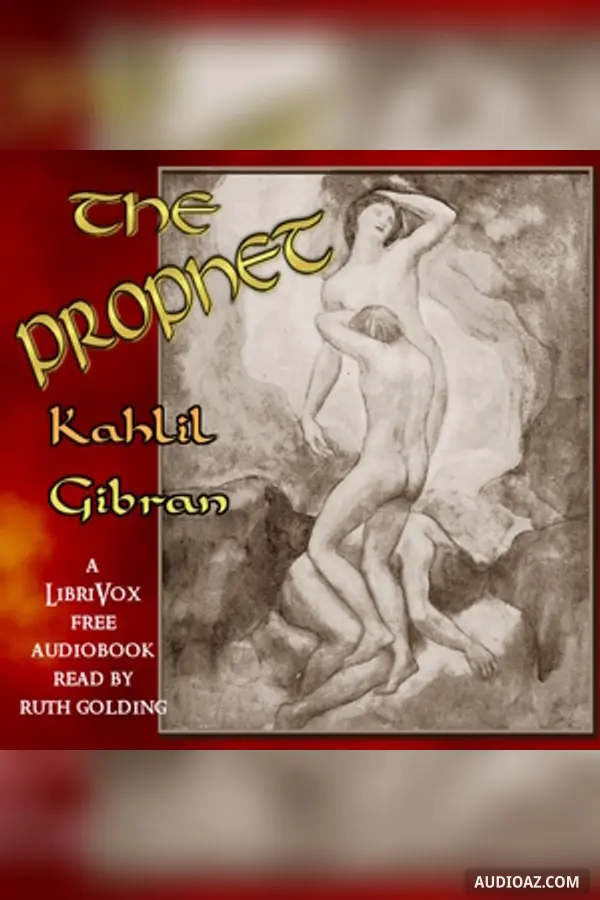 17. The Prophet (version 5)
Poetic short essays on love, work, children and death, spoken by the prophet Almustafa. Published in 1923.
Tips for listening to philosophy
- Go slowly. Use the player's speed control to slow down difficult passages, and replay sections. There's no prize for finishing fast.
- Pair short with long. Read a short work (the Apology, The Book of Tea) before a long one (the Republic, Zarathustra).
- Translations differ. Most of these are older public-domain translations. The language can feel formal, but the ideas come through.
More to explore: English audiobooks for learners and the full philosophy genre.